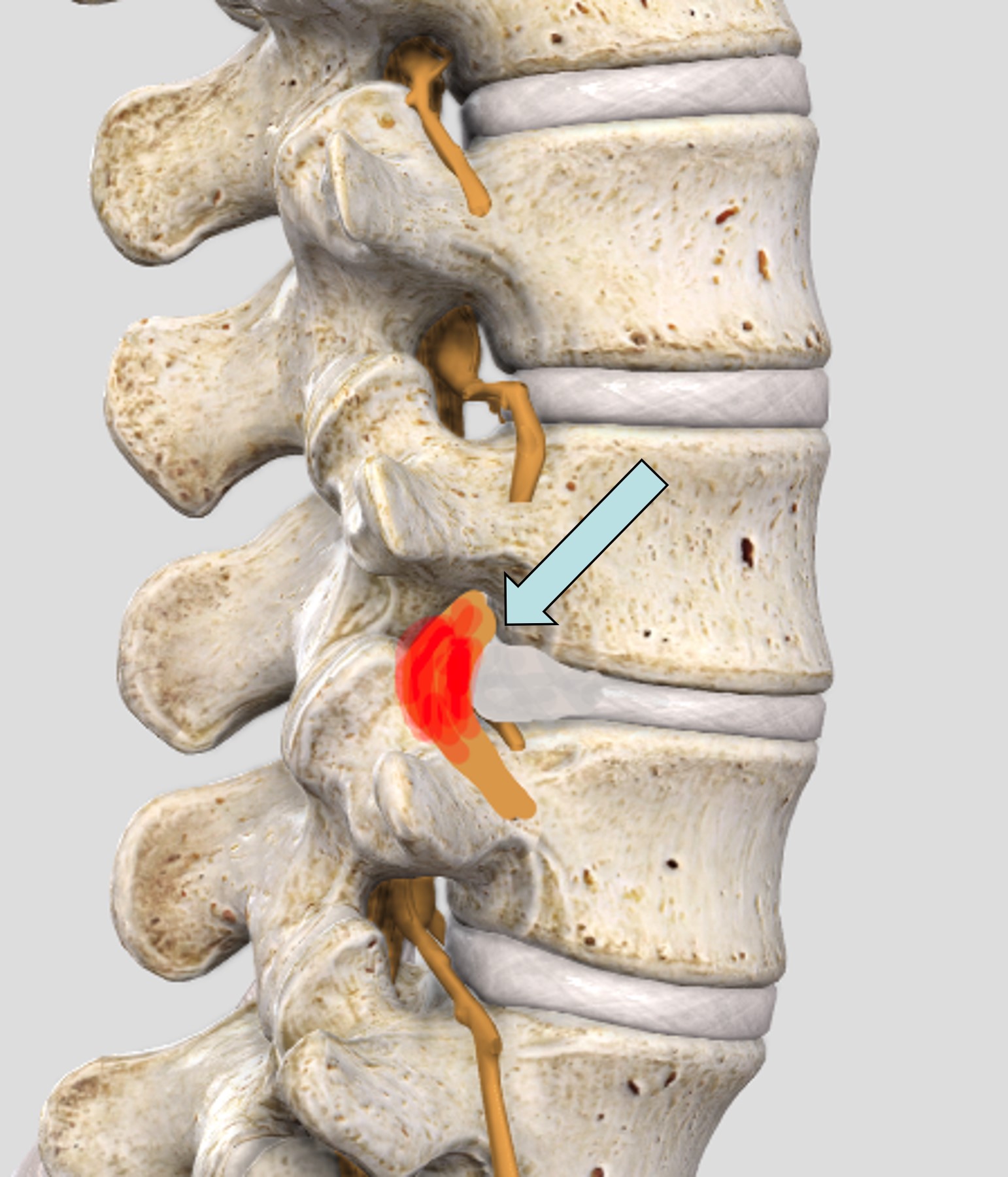

What is Radicular Pain?
Radicular pain refers to a condition caused by irritation or compression of a spinal nerve root as it exits the spinal canal.
In most cases, the nerve root is compressed by a bulging or herniated disc, but other tissues can also narrow the space where the nerve exits the spine.
The most common symptom is radiating pain into the arm or leg. This may be accompanied by numbness, sensory disturbances, or muscle weakness in the affected limb.
Based on symptoms, physical examination, and MRI findings, the physician determines which nerve root is affected and selects the appropriate treatment.
How Can it be Treated?
Milder cases often improve spontaneously or with physiotherapy.
In more persistent cases, minimally invasive treatments may be required. These range from PRP (platelet-rich plasma) therapy and stem cell treatments to epidural injections and epidurolysis.
These procedures are most accurately performed under X-ray (fluoroscopic) guidance, although in certain cases ultrasound or CT guidance may also be appropriate.
If these treatments are ineffective, or if more severe symptoms develop—such as significant numbness or muscle weakness—surgical decompression of the nerve root may be necessary.
This involves removing the part of the disc that is compressing the nerve. At our clinic, this is performed using the least invasive approach possible, with endoscopic techniques and in collaboration with a neurosurgeon.