

How is the Spine Structured?
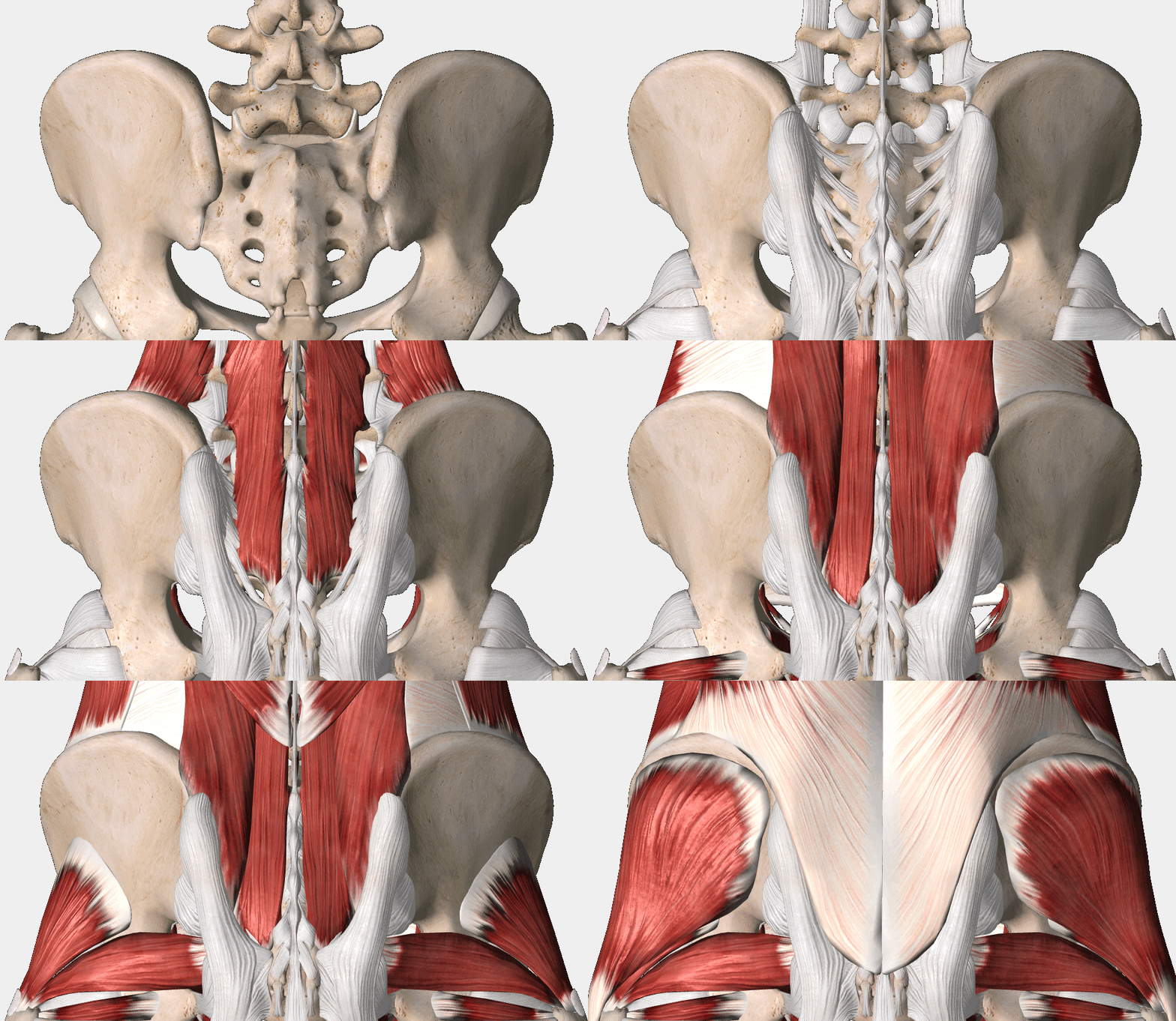
The building blocks of the spine are the vertebrae, which are held together by ligaments. Between the vertebrae are the intervertebral discs, which act as shock absorbers within the spine. Movement is controlled by the surrounding muscles.
For proper biomechanics, the integrity of all these elements is essential. If one component is damaged, the others can compensate for a while, but over time this leads to spinal degeneration. Initially, this process is usually symptom-free, but sooner or later back pain develops. The location and nature of the pain depend on the types of stress the spine has been exposed to.
How Does Back Pain Develop?
Back pain may occur as a result of an accident or a sudden incorrect movement. However, in most cases it develops gradually due to repeated microtrauma, overuse, chronic poor posture, or connective tissue weakness.
It is common for patients to experience recurring lower back pain over the years, which they often ignore because it resolves within a few days. Meanwhile, however, spinal instability continues to worsen.
During this time, patients may experience myofascial (muscle-related) pain, characterized by tender muscle bands and trigger points. This type of pain is often mild and may improve with massage or exercise.
As the spine progressively weakens as a biomechanical unit, more serious conditions can develop, including disc-related (discogenic) pain, radiating nerve root pain (into the arm or leg), facet joint pain, or sacroiliac joint pain.