

How Does Facet Joint Pain Develop?
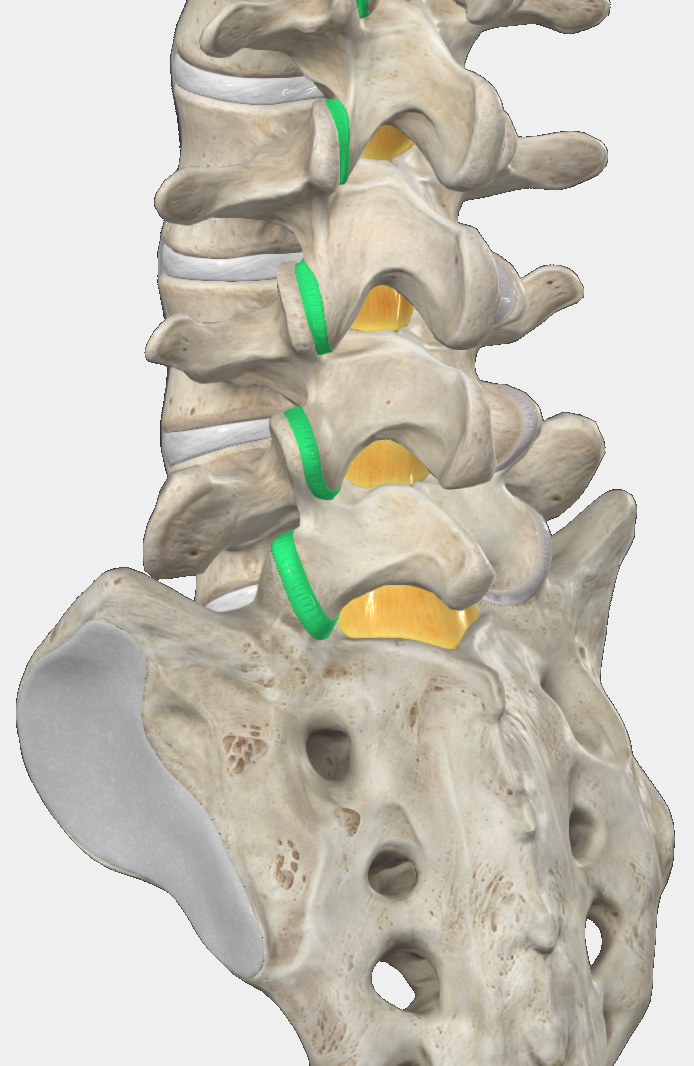
Facet joint pain, also known as facet syndrome, is a common condition in middle-aged and older adults. It typically causes a dull, pulling pain in the lower back, which may become sharp during certain movements.
The fetal position often provides temporary relief, but symptoms usually return. Pain may also occur after increased physical activity, at night, or following prolonged sitting—often accompanied by a feeling of stiffness, as if the back, lower back, or hips need to “loosen up.”
Facet joint pain rarely occurs in isolation; it usually indicates a broader biomechanical dysfunction of the spine.
In the cervical spine, similar dysfunction can develop due to poor posture, chronic overuse (e.g., dentists, desk workers), or injury.
How Can it be Treated?
Physiotherapy is recommended as a first step, although in long-standing cases it often does not provide lasting relief.
Regenerative therapies, such as stem cell or PRP (platelet-rich plasma) treatment, can be effective in managing facet joint disease. Numerous studies support the effectiveness of PRP and prolotherapy. These treatments stimulate the body’s natural healing processes, promoting tissue regeneration and addressing the underlying cause—spinal instability.
Radiofrequency treatment can also be used to interrupt the nerve supply of the facet joints, significantly reducing pain¹,².
Source:
1. Lee CH, Chung CK, Kim CH. The efficacy of conventional radiofrequency denervation in patients with chronic low back pain originating from the facet joints: a meta-analysis of randomized controlled trials. Spine J [Internet]. 2017;17(11):1770–80. Available from: https://doi.org/10.1016/j.spinee.2017.05.006
2. Falco FJE, Manchikanti L, Datta S, Wargo BW, Geffert S, Bryce DA, et al. Systematic review of the therapeutic effectiveness of cervical facet joint interventions: An update. Pain Physician. 2012;15(6):909–54.